
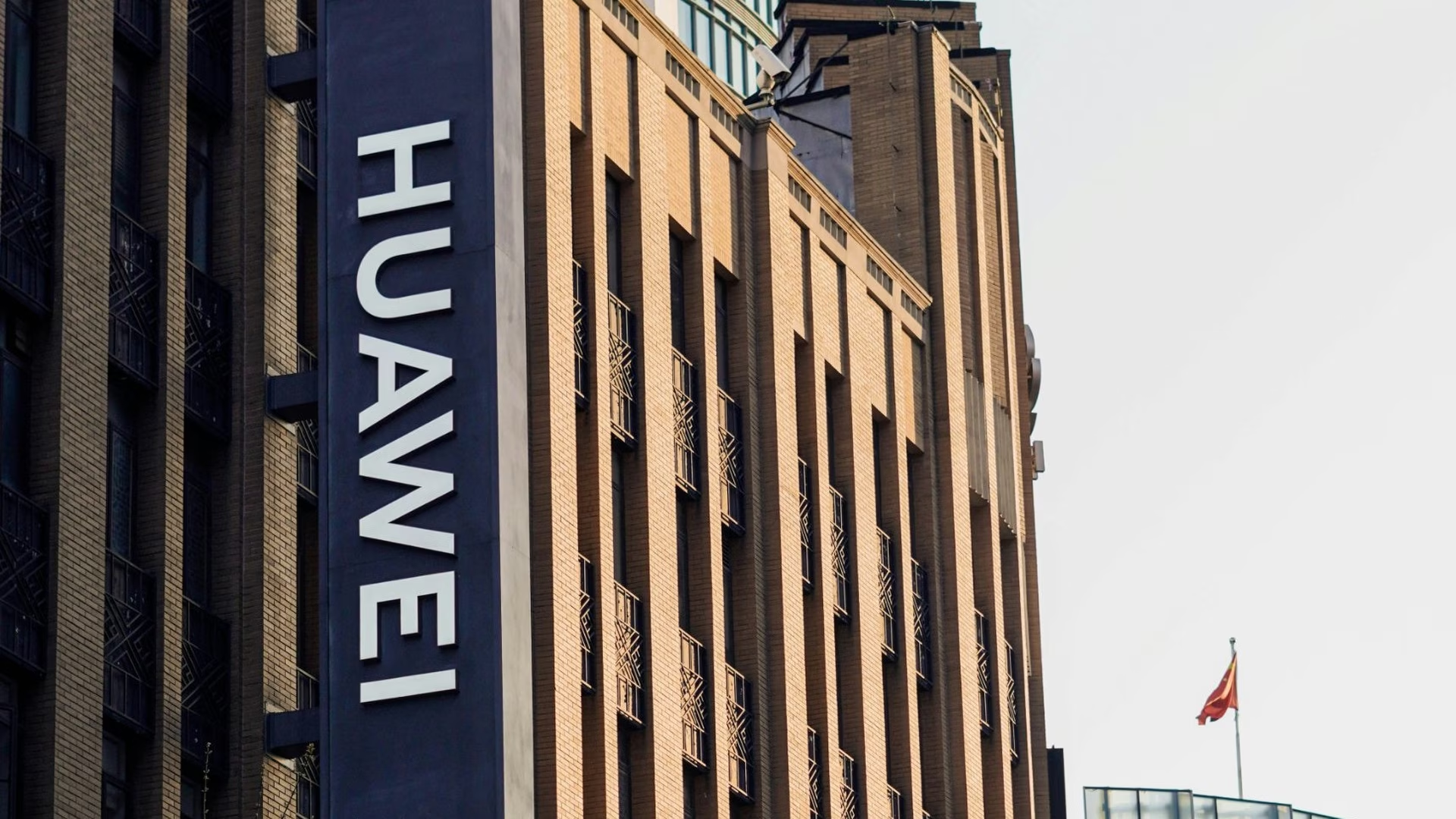
A Huawei sign on the side of a building in China. Credit: Vong Vathanak on Unsplash Huawei is set to present a high-bandwidth memory design with double the data pin density of chips Samsung and SK Hynix mass-produce, Bloomberg reported. It is unclear how close Huawei is to making it, but home-grown HBM would ease a key gap as China’s foreign stockpiles run low. Huawei has developed a design for high-bandwidth memory (HBM), the fast memory that feeds AI chips, that could outdo Samsung’s and SK Hynix’s, Bloomberg reported on Thursday.
According to the title of a paper Huawei will present in San Francisco in February, its HBM has double the data pin density of chips its Korean rivals mass-produce. In theory, that would let it move far more data to AI processors. It is unclear how far Huawei has got. Companies often present designs at conferences to share ideas rather than show finished products.
Huawei did not immediately respond to Bloomberg. Samsung, SK Hynix and Micron are barred from selling HBM to Chinese customers, and China’s stocks of foreign HBM are running low. Huawei has reportedly told some clients its next Ascend AI chip will rely mostly on Korean HBM brought in by smugglers. Making its own would ease one of the biggest gaps in China’s push for chip self-sufficiency.
Chinese memory maker CXMT is also starting HBM production, despite low yields. Huawei has already shown other workarounds for US sanctions. In June, it unveiled a chip design approach it says could match 1.4nm-class chips by 2031 without the most advanced machines. The report hit shares of Samsung, SK Hynix and Micron.
Micron’s quarterly revenue roughly quadrupled earlier this year on demand for AI memory. Get more TNW on Google Add as a preferred source Read more TNW news @thenextweb Get the TNW newsletter ✕ Close Get the TNW newsletter Get the most important tech news in your inbox each week.












Leave a Reply