
Defense officials had been withholding final national security authorization for the Vulcan platform pending the outcome of Sunday’s flight, a crucial step given that United Launch Alliance is slated to handle approximately half of those military missions over the coming years. Following the malfunction, the leader of NASA offered assistance over social platform X, stating, “Artemis, Moon Base, and the nation need ULA. We are in your corner and here to help,” as the space agency intends to incorporate a variant of the Centaur upper stage into future Space Launch System configurations. The setback comes at a difficult moment for the American launch sector, where SpaceX has increasingly dominated manifest slots and halted new bookings for its Falcon 9 vehicle.
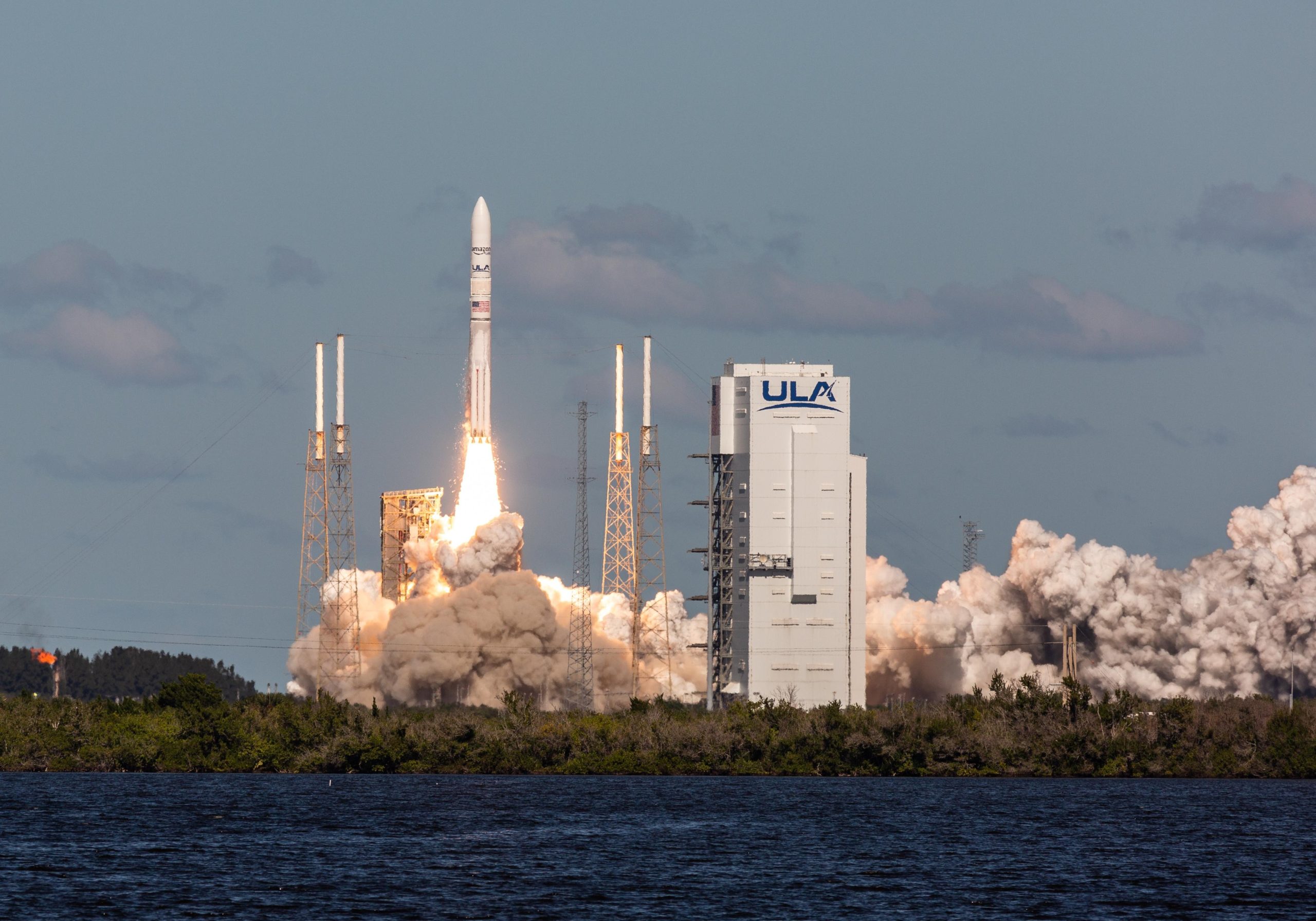
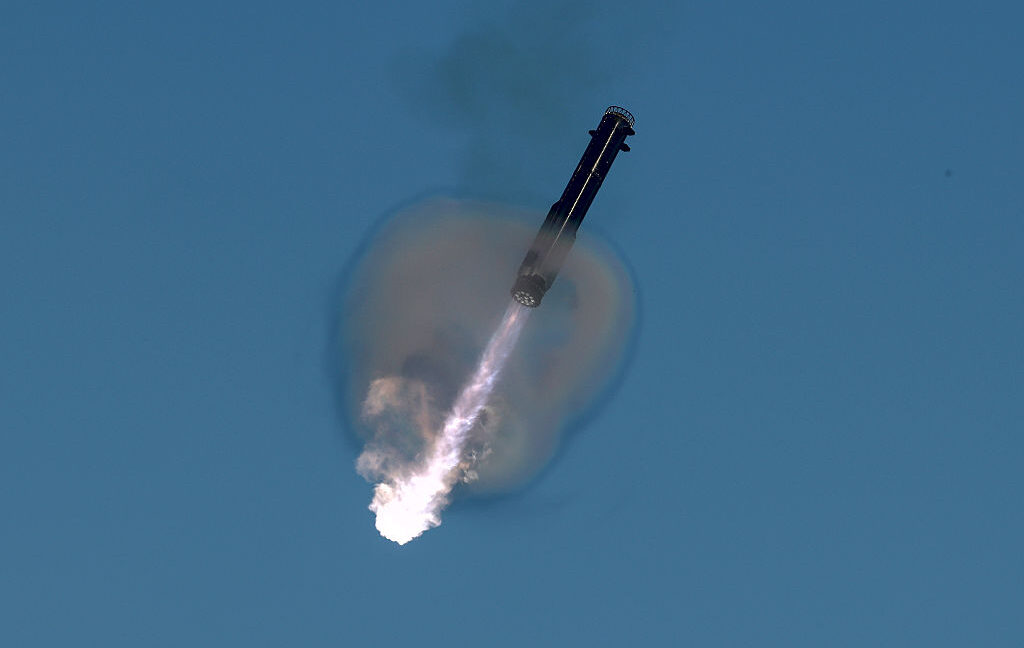
The disaster occurred after the vehicle departed Space Launch Complex 41 at Cape Canaveral Space Force Station in Florida at 12:40pm ET (17:40 UTC) on November 15, 2026. Approximately ten minutes into its ascent, the rocket suffered a malfunction, resulting in the destruction of 40 Amazon Leo broadband internet satellites. This incident marks the inaugural mission loss for ULA since Boeing and Lockheed Martin originally established the joint enterprise back in 2006. Addressing the incident in a post on X, ULA stated, “Based on data received by our Launch Director, we confirm that the Vulcan vehicle launched from Space Launch Complex 41 suffered an anomaly 10 minutes into the flight and failed to deliver the Amazon mission to orbit. Every flight generates data, and every flight teaches us something. Since the anomaly just occurred, we don’t have any specific data yet to understand what occurred today. ULA exists to provide assured access to space for our nation and for the customers who depend on us. That purpose is why we take on some of the hardest missions in spaceflight, and why we hold ourselves to the standard of mission success. Today, we did not meet that standard. We will work closely with our customer and other appropriate organizations to find the cause, determine the appropriate corrective action, and return to flight as quickly as possible. ULA is committed to full transparency with our customers, and they will have visibility into the investigation process, which utilizes rigorous methodology and corrective action. We will provide further updates when new information becomes available.”
Early telemetry analysis points toward an issue during the main propulsion phase rather than within the six solid rocket units or the Centaur V upper section, according to reporting by Ars Technica journalist Stephen Clark. Clark’s sources indicated that the twin BE-4 main powerplants, manufactured by Blue Origin, continued firing for at least 30 seconds past their scheduled shutdown point before graphics showed the rocket tumbling. However, Reuters noted that the exact contribution of the BE-4 engines remains uncertain, with a person familiar with the situation indicating Blue Origin is assisting in the inquiry alongside ULA engineers. The scrutiny surrounding the BE-4 is particularly sensitive because Blue Origin relies on the same hardware for its own New Glenn vehicle, which was pushed back to January following a launchpad blast triggered by a faulty valve in May.
The doomed mission, designated LV-01, represented the first of 38 contracted Vulcan launches intended to build out Amazon’s satellite array aimed at rivaling SpaceX’s Starlink service. Despite the setback, the tech giant praised ULA as a trusted partner, noting, “There is risk with any launch, and that’s especially true for inaugural missions like LV-01,” while expressing confidence that the launch




Leave a Reply