

Deep in the rugged backcountry of the Pacific Northwest, where towering timber has historically blocked every trace of cellular signal, a hiker pulls out a standard smartphone. Instead of the dreaded “No Service” warning, the screen displays a solid three bars of 5G connectivity. There is no bulky satellite dish tucked into a backpack, nor a specialized dongle attached to the phone. The handset is communicating directly with a constellation of low-Earth orbit satellites—a capability that, until recently, belonged to science fiction, but has now become the new standard for global communication.
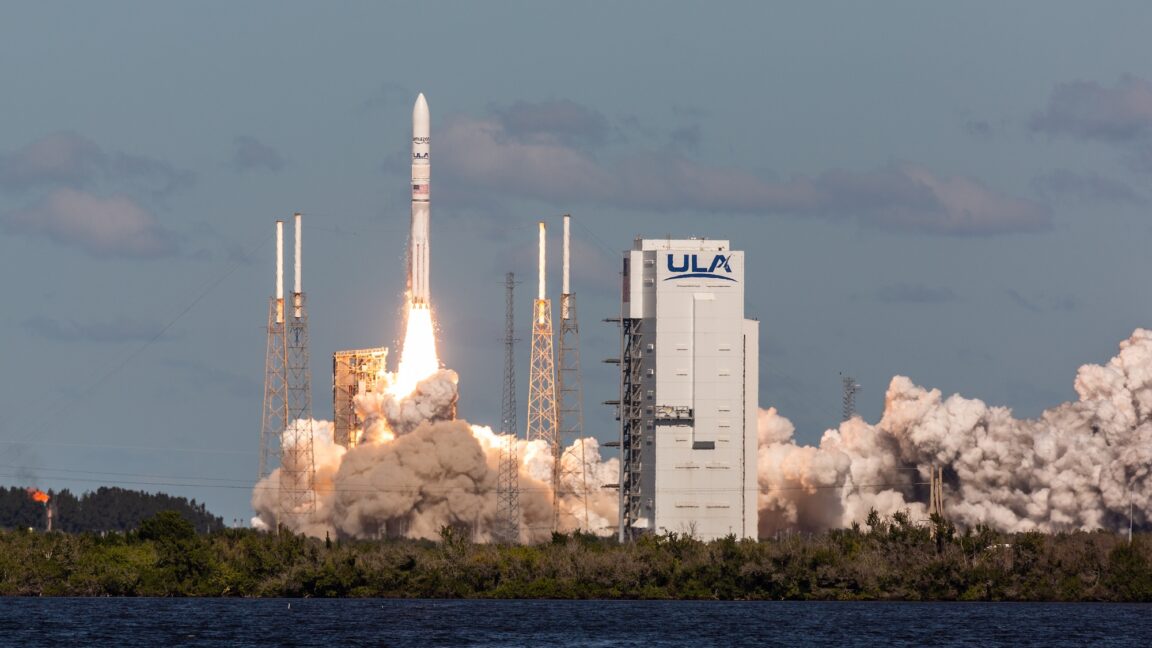
This seamless connectivity marks the culmination of a massive technological pivot that has quietly reshaped telecommunications over the past two years. What began earlier in the decade as limited, emergency-only satellite messaging has rapidly transformed into full-fledged, space-based cellular broadband. By launching massive phased-array antennas into low-Earth orbit, aerospace engineers and telecom operators have overcome the formidable physics hurdles that once made direct-to-cell satellite broadband painfully slow and prohibitively expensive.
The key breakthrough lies in the sheer scale and sophistication of the hardware operating overhead. Next-generation satellites now feature foldable array antennas spanning hundreds of square feet, effectively functioning as high-powered cell towers traveling through space at 17,000 miles per hour. These orbital cell sites can dynamically shape and direct focused signals to remote pockets on Earth, integrating directly with existing mobile network frequencies. For consumers, the shift is completely invisible: modern smartphones connect automatically to space-based signals the moment terrestrial tower coverage fades.
The practical implications of this technological leap are profound. Search-and-rescue teams operating in extreme wilderness environments report dramatically improved emergency response times, as lost travelers can now broadcast precise locations and even stream live video from previously dark regions. Meanwhile











Leave a Reply