
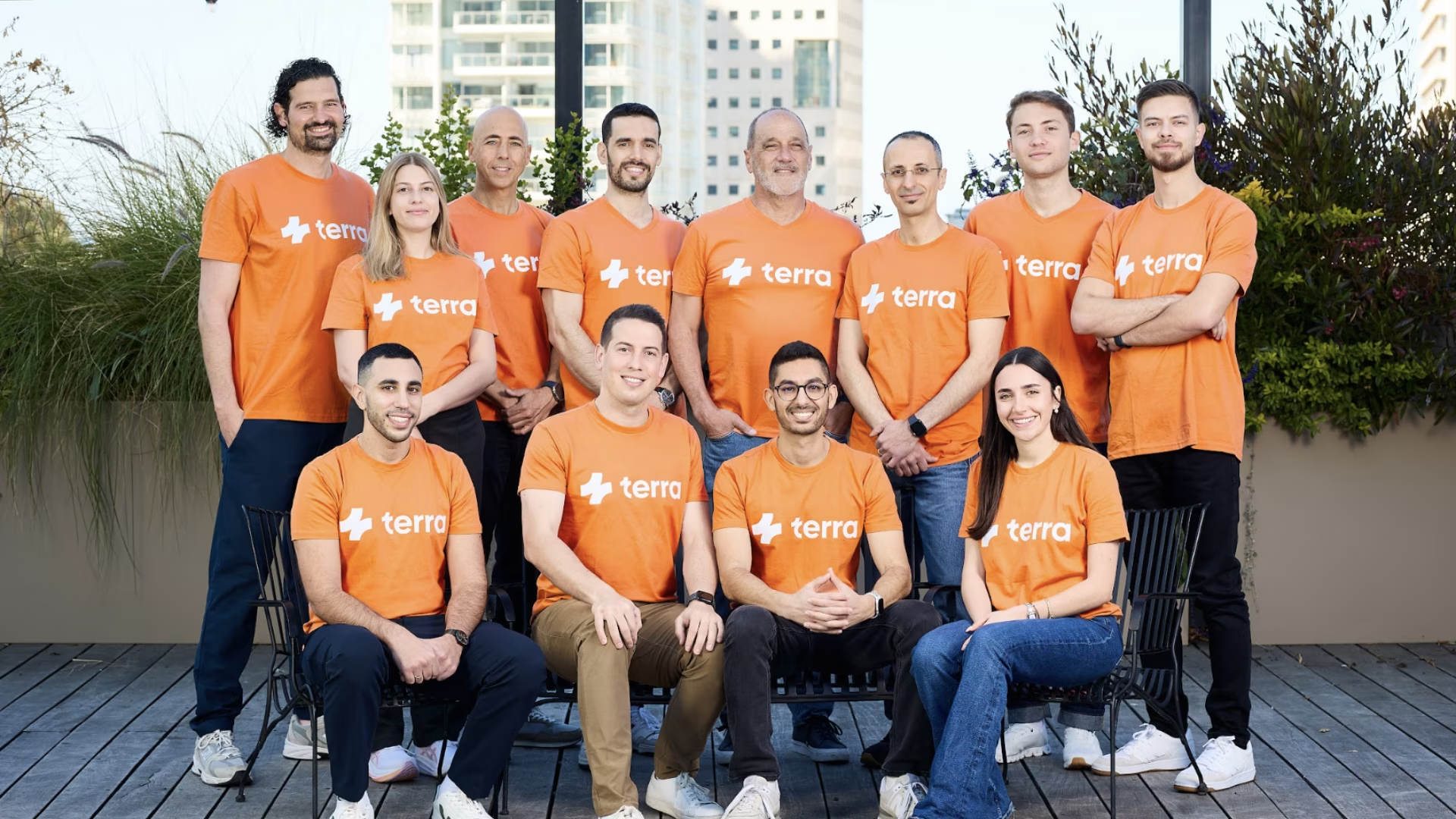
Credit: Terra Security Cybersecurity teams have spent years trying to close the gap between discovering vulnerabilities and addressing them. Traditional penetration testing remains an important part of security programs. But its periodic nature creates an inherent limitation. The results represent a snapshot of an environment that may already have changed by the time testing is complete.
That challenge is becoming more difficult as organizations accelerate software development, expand their cloud infrastructure and introduce artificial intelligence into business operations. New applications, integrations and AI systems create additional potential entry points. Development cycles increasingly outpace the traditional security assessments designed to evaluate them. The problem is not simply the growing number of vulnerabilities.
It is the speed at which new attack paths emerge. It is also the difficulty of determining which ones pose meaningful risks to a particular business. Terra Security is building its platform around this changing reality. Its approach combines agentic artificial intelligence with skilled offensive security researchers to test, validate, and remediate AI systems, network infrastructure, and web applications.
Rather than treating pentesting as a scheduled exercise, the company is positioning it as an ongoing security capability that adapts alongside the organization. Moving Beyond Point-in-Time Security Testing Traditional penetration testing typically operates within defined engagements. Security teams scope an assessment, coordinate testing, review findings, and then prioritize remediation. Depending on the complexity of the environment, that process can take weeks, leaving opportunities for vulnerabilities to emerge between assessments.
Terra Platform™ is designed to shorten that cycle considerably. The company says its agentic pentesting technology can reduce testing timelines from four to six weeks to approximately a matter of hours. That represents an improvement of up to 250 times compared with traditional approaches. The distinction extends beyond speed.
Terra designed its agents to operate continuously, analyzing environments as they evolve rather than waiting for the next scheduled assessment. This gives security teams a way to identify vulnerabilities as they emerge and evaluate their implications while the surrounding systems and business context are still current. That capability is particularly relevant as AI development introduces new categories of potential exposure. Organizations are deploying AI applications, connecting models to internal systems and giving agents access to data and business processes.
These developments expand the attack surface in ways that conventional application and infrastructure testing may not fully address. Terra brings these areas together through a single platform. It allows organizations to assess AI systems alongside their network infrastructure and web applications rather than managing separate offensive security processes for each. Why Business Context Matters One of the persistent challenges in vulnerability management is distinguishing technical findings from genuine business risks.
Automated security tools can generate substantial volumes of alerts, but not every vulnerability carries the same consequences. Without an understanding of how an application operates, what data it handles, and how it connects to other systems, security teams can spend considerable time investigating issues with limited practical impact. Terra’s approach incorporates business context and code into the way its agents conduct assessments. The objective is to make testing more relevant to the organization’s actual environment.
It helps surface vulnerabilities and attack paths that could have meaningful consequences rather than simply producing longer lists of findings. This distinction matters as organizations increasingly rely on automated security testing. More frequent assessments can improve coverage. But they can also create additional work if the resulting findings are not sufficiently prioritized.
By grounding its agents in the organization’s business logic and technical environment, Terra aims to make continuous testing more actionable. The company also argues that unifying offensive security capabilities can improve operational efficiency. According to Terra, organizations can achieve four times the return on investment through reduced workload, without increasing headcount or security budgets. Keeping Humans in Control of Autonomous Security The growing use of AI agents in cybersecurity introduces another consideration.
That is how much autonomy organizations should give automated systems, particularly when testing production environments. Terra addresses this through what it calls a Human-on-the-Loop model. Rather than positioning its agents as independent operators with unrestricted authority, the platform incorporates human oversight at critical decision points to help maintain production safety and compliance. The company’s Terra Offensive Research Collaboration Hub (TORCH) provides a workspace where security professionals can interact directly with agents, guide investigations, and control different stages of the testing process.
This creates a collaborative model in which AI handles the scale and speed of continuous assessment. Security practitioners retain oversight of consequential decisions. The approach reflects a broader question emerging across enterprise AI adoption. How can organizations benefit from autonomous systems without surrendering control over activities that require accountability?
Toward Continuous Offensive Security As enterprise environments become more dynamic, security programs built around periodic assessments may struggle to keep pace with the systems they are intended to protect. The challenge is no longer limited to finding vulnerabilities during a scheduled engagement. It is maintaining meaningful visibility into an attack surface that changes continuously. Terra Security is betting that offensive security will increasingly move toward this continuous model.
By bringing AI systems, networks and web applications into one platform, while keeping human researchers involved in critical decisions, the company is seeking to make penetration testing a persistent part of security operations. In a market where automation is becoming increasingly common, the differentiator may ultimately be how effectively technology combines speed, context and human judgment. For Terra, the objective is to make that combination available across every attack vector that matters. Contributed article.
Not produced by the TNW newsroom and does not reflect the editorial stance of TNW. Get the TNW newsletter ✕ Close Get the TNW newsletter Get the most important tech news in your inbox each week.









Leave a Reply