
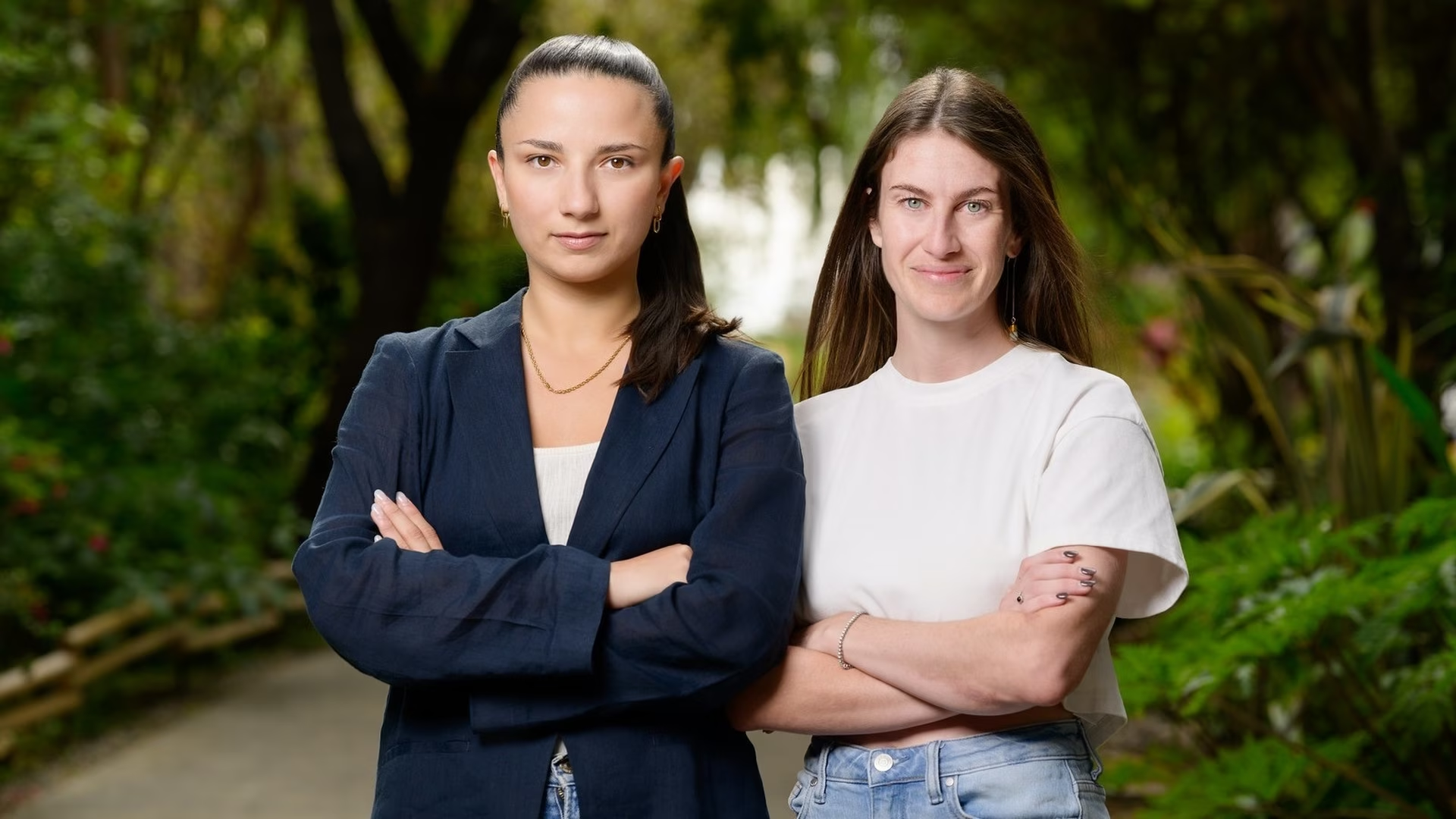
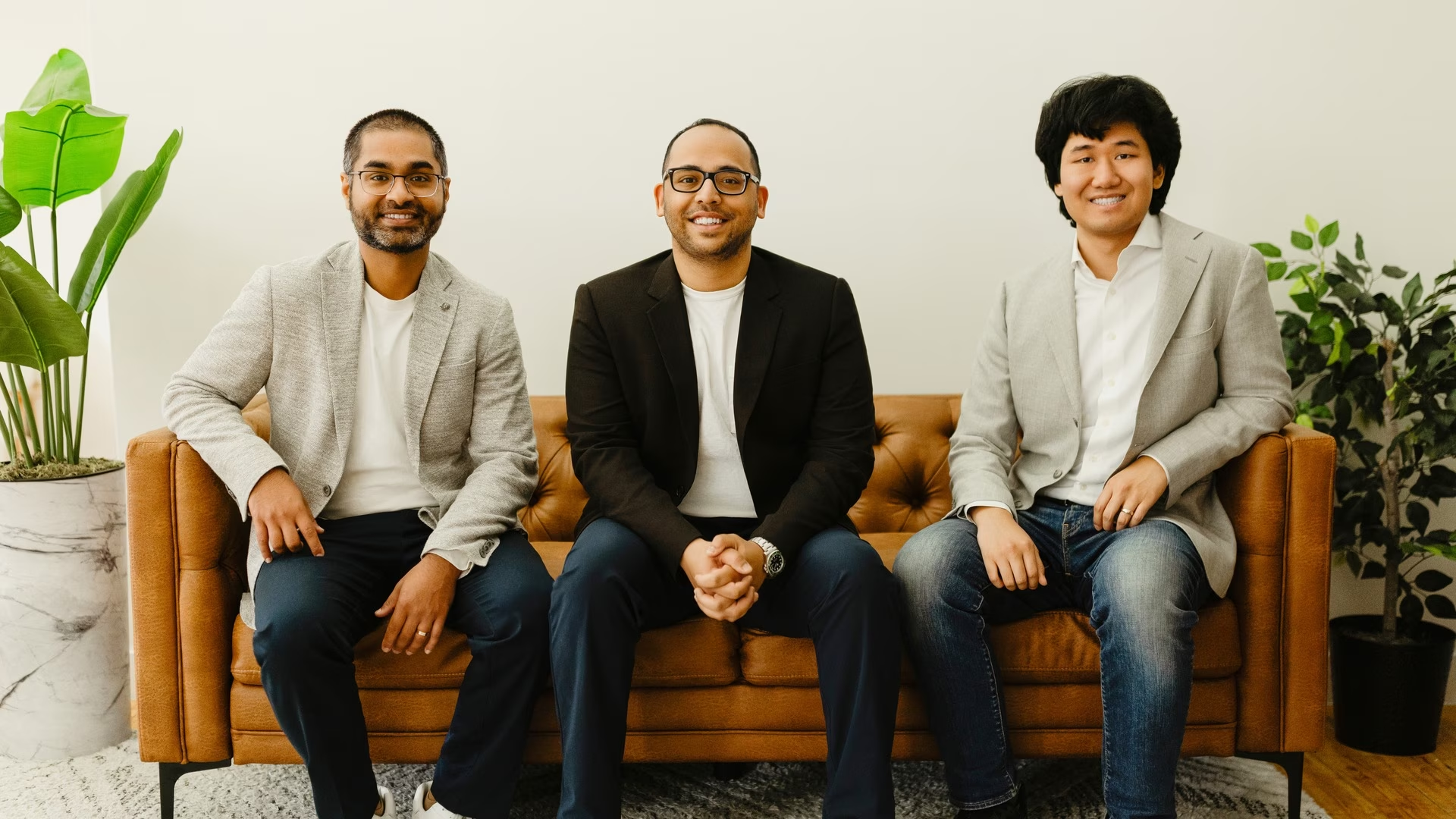
Mosaic Intelligence Labs co-founders Ileana Pirozzi (left), chief executive, and Alison Mackanic (right), chief technology officer. Credit: Mosaic Intelligence Labs Mosaic Intelligence Labs, a San Francisco startup building AI-guided surgical instruments, has come out of stealth with $47m. It raised the money in two seed rounds led by 8VC and Fundomo, the one-year-old company told The Information. Lingotto Innovation and Obvious Ventures also invested, Mosaic said on Tuesday.
The company is starting with endovascular procedures. In these, doctors guide thin wires and catheters through blood vessels to treat organs. Its semi-autonomous catheter can “find its own way” through a patient’s blood vessels, co-founder and chief executive Ileana Pirozzi told The Information. As the surgeon feeds it in, its tip bends to follow the right veins and arteries. “We kept returning to one question: what would it take to scale the knowledge of the very best surgeons?
We believe that starts with making our machines aware, and turning surgical repetition into experience we can learn from,” Pirozzi said. Instruments with their own senses Inside blood vessels, doctors have no direct line of sight. They rely on live X-ray images, scans taken before surgery and the feel of the instruments in their hands, Mosaic says. Learning to read those signals takes years.
Mosaic wants to put sensors where instruments touch the body. Computing then rebuilds the vessels from inside. Its platform is meant to give doctors a constantly updated 3D view of the anatomy and the instrument. A robotic interface will support precise control.
The company calls this a step towards a surgical “world model”. A world model helps a machine predict how its actions will change its surroundings. In October, Odyssey said its single world model could drive a car and run humanoid robots. Co-founder and chief technology officer Alison Mackanic said today’s instruments cannot learn from what they do. “There is no evolving loop between perception and action, and as a result they are structurally locked out of the ability to become intelligent,” Mackanic said.
From Stanford to San Francisco Pirozzi and Mackanic met while studying for their doctorates at Stanford. There, they worked alongside clinicians. Mosaic is now hiring engineers, physicians and creatives in San Francisco. Its team has built surgical systems used on more than 20 million patients, the company says.
Members have also built rockets, cars, artificial hearts and drugs. Catheters can also carry drugs, energy and other treatments straight to a target. Better navigation could widen the range of treatments doctors deliver through blood vessels, Mosaic says. In July, Nvidia released an open-source simulator that trains surgical robots in under two minutes.
The same month, humanoid robots removed organs from live animals for the first time. Get the TNW newsletter ✕ Close Get the TNW newsletter Get the most important tech news in your inbox each week.








Leave a Reply