
According to CNBC citations of Wells Fargo data, Texas represents 27% of anticipated American data center volume. Democrat Gina Hinojosa defeated Governor Greg Abbott following a campaign targeted at halting data center developments that lacked public consultation or failed to benefit local residents. Equity analysts at Morgan Stanley declared Hinojosa’s triumph the single most crucial election outcome regarding the future of data infrastructure. Meanwhile, voters in an Ohio county banned large-scale facilities—blocking Meta’s planned 65,000-square-meter development—while the election of Democratic Governor Amy Acton in Ohio and broader Democratic gains led Goldman Sachs to warn of construction stalls in Texas and Georgia.
Emerging community pushback over resource consumption—such as intense demands on local power grids, water supplies, and land—heavily swayed voters during the midterms. An NBC exit survey revealed that nearly 60% of participants cited data center issues as a significant or essential element in their voting decisions, with roughly 80% expressing reluctance to permit one within their neighborhood. This public resistance translated directly into ballot measures, as Redbud Consulting data published by the AP showed restrictions passing in 44 out of 45 referendums held across 12 states. Furthermore, AP tracking compiled alongside Data Center Watch indicated that 32 of 34 winning gubernatorial contenders favored stricter oversight on facilities, with 12 actively supporting total bans or moratoriums.
Government officials are taking steps to regulate the industry at both national and regional levels. Earlier this year, Senator Bernie Sanders and Representative Alexandria Ocasio-Cortez introduced legislation seeking a nationwide freeze on construction until federal standards establish guidelines for electricity pricing, environmental impact, and local authorization. Although that measure encountered bipartisan friction and requires approval from President Donald Trump—who opposes such limits—narrower bills like Senator Martin Heinrich’s GRID Savings Act aim to prevent utility providers from transferring facility-related power grid costs onto local residents. State-level actions remain more immediate; New York implemented the first state moratorium in July—a decision Trump labeled “terrible”—while Wisconsin Governor-elect David Crowley advocates for a similar ban alongside ending the state’s sales tax exemptions for facility builders and operators.
Wall Street was further rattled by late October earnings reports revealing potential slowdowns in artificial intelligence infrastructure investments by major technology firms. On October 28, Microsoft and Alphabet reported third-quarter capital spending below market forecasts, leading Microsoft to scale back its annual expenditure projection from $175 billion to $170 billion, while Alphabet maintained its guidance between $195 billion and $205 billion. Meta raised the lower bound of its capital outlay estimate to $135 billion while generating negative free cash flow for the quarter, stoking fears that reduced spending could harm suppliers throughout the computing ecosystem. Quoted by Yahoo Finance, Nomura strategist Charlie McElligott noted that much of the heavy selling stemmed from hedge funds unwinding positions to lock in profits.
Individual equities linked to artificial intelligence suffered severe hits during the session. Chipmaker Nvidia plunged 9.3%, representing the heaviest drag on the broad market index and leaving its stock down 2.6% for the year, merely five weeks after achieving a record market valuation around $5.7 trillion. Advanced Micro Devices plummeted 17.3%, AI computing rental firm CoreWeave shed 9.8%, and data center power provider GE Vernova retreated 7.5%, while mega-cap tech giants Microsoft, Meta, Amazon, and Alphabet each surrendered 2% to 4%. In contrast, ad-tech firm AppLovin surged 31% following stronger-than-predicted earnings and revenue, even as the Cboe Volatility Index (VIX) spiked over 65% to 27.45—its sharpest single-day leap in more than two years—despite steady economic indicators including reduced jobless claims, solid summer productivity, and the 10-year Treasury yield easing from 4.90% to 4.84%.
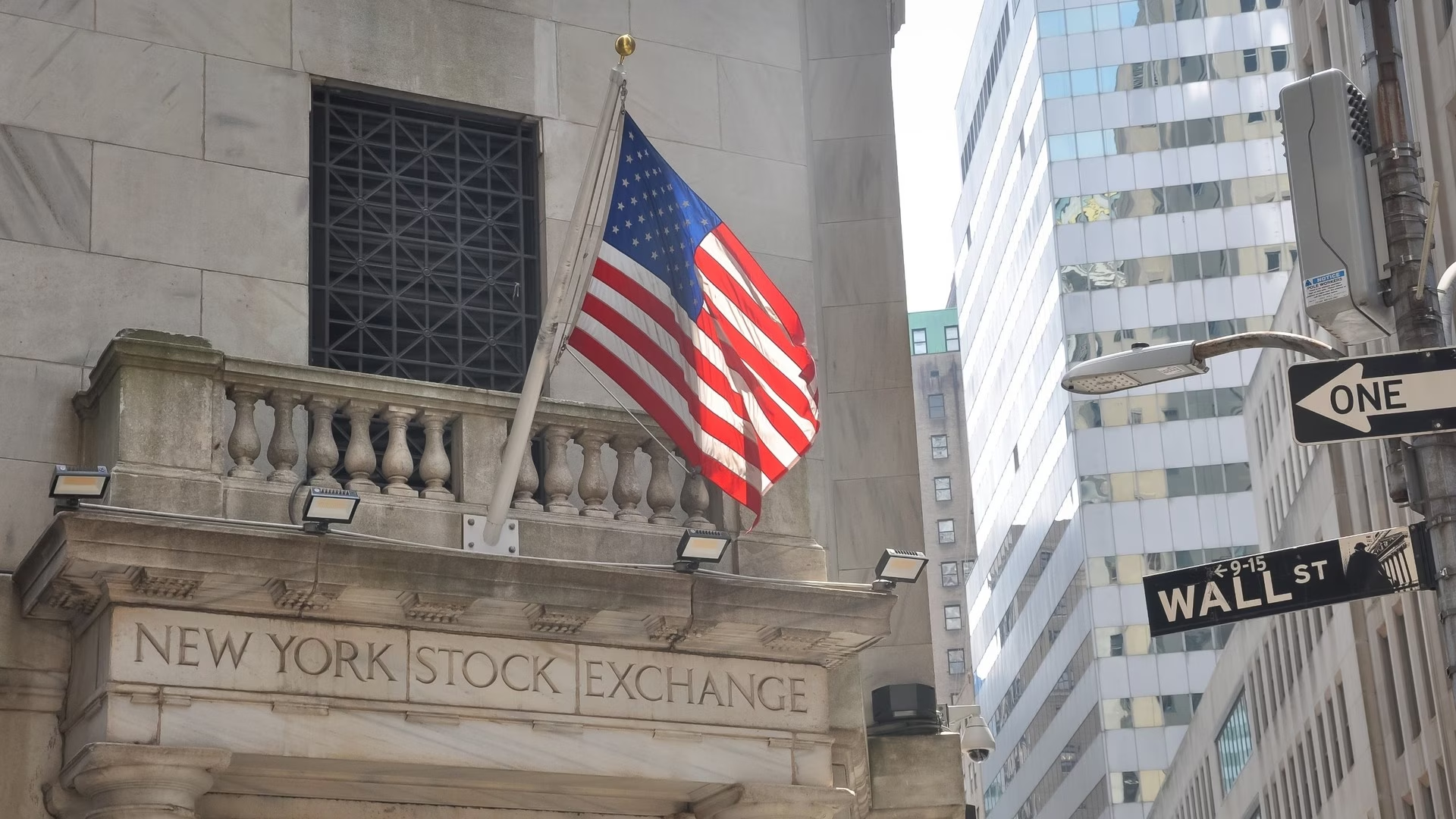
The widespread retrenchment culminated in a dramatic drop across major Wall Street benchmarks on Thursday, November 5. The S&P 500 tumbled 4.4% to finish at 7,353.73, marking its most severe daily slide since the April 2025 “Liberation Day” tariff announcement as reported by the Associated Press, effectively erasing all index gains made following the midterm elections. The Dow Jones Industrial Average sank 1,833 points, or 3.4%, completely reversing its 3% rally from the previous session, which had been its strongest post-midterm rally since 1982. Concurrently, the Nasdaq Composite tumbled 5.5% to 24,315—falling into correction territory at 11.9% below its October peak—while the tech-centric Nasdaq-100 plunged 6.4%, erasing approximately $2.3 trillion in equity value.












Leave a Reply