
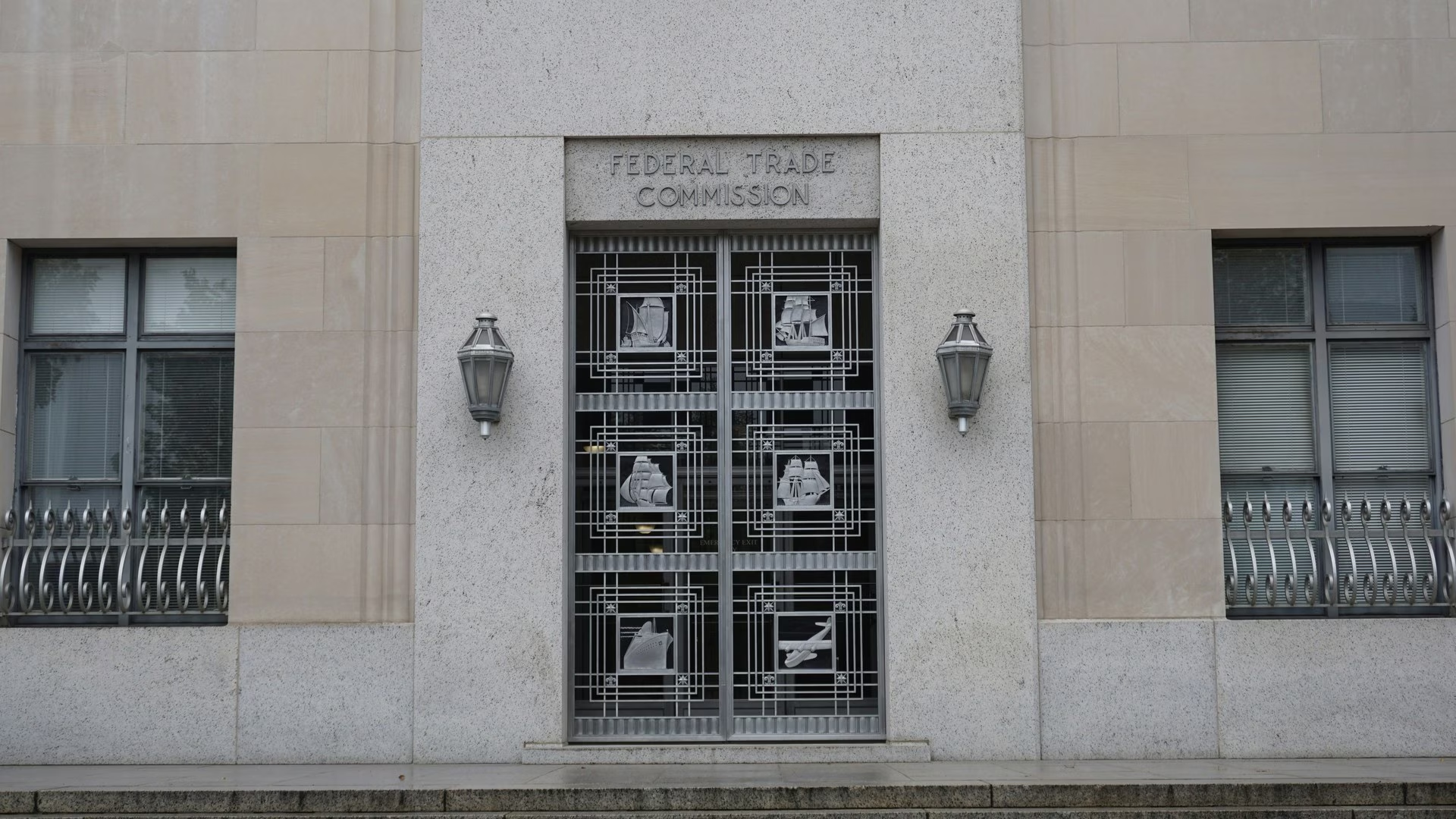
The Federal Trade Commission’s headquarters in Washington, DC. Credit: Ian Hutchinson on Unsplash The US Federal Trade Commission will let Publicis Groupe buy LiveRamp for $2.2bn, but only if the data company keeps serving the agency’s rivals on equal terms. The proposed consent order, announced on Monday, binds both companies for five years. Publicis must give every LiveRamp customer “non-discriminatory access and support on fair and reasonable terms”.
It may not deny, degrade, delay or impair that access. It must also build firewalls so it cannot see or use the data that other agencies’ clients run through LiveRamp. Publicis said in a statement that the commitments were “proactively proposed by the Groupe”. It expects to close the deal before the end of the year.
Why the FTC worried LiveRamp sells data connectivity services. They help advertisers move the data behind digital ad campaigns securely and confidentially. Publicis plans and buys media for brands, so its rivals’ clients rely on a tool it is about to own. The FTC’s complaint says the deal would give Publicis “the ability and incentive” to push those clients its way.
It could degrade their access to LiveRamp until they switched agencies. The FTC also said Publicis would gain access to “competitively sensitive data” about clients it does not serve. The agency alleged that the merger would weaken competition in media agency services and audience data services. That would breach Section 7 of the Clayton Act. “By requiring LiveRamp to continue operating as it does today as a neutral platform, this order will ensure that Publicis does not gain an unfair advantage over its competitors in the digital advertising marketplace,” said David Shaw, principal deputy director of the FTC’s Bureau of Competition.
Auditors, mediation and a vote of two An independent auditor will check compliance every six months for two years after the deal closes. After that, audits drop to once a year for three more years. Any LiveRamp customer can also ask for an audit of how Publicis treats its data. Publicis may not retaliate against clients who raise concerns with the FTC.
Disputes still open after 30 days go to third-party mediation. The order is a behavioural fix, with no divestiture. It is lighter than the remedy a US judge imposed on Google’s ad tech business, which got a monitor for six years. The commission voted 2-0 to accept the agreement for public comment.
Both votes came from its Republican commissioners, Bloomberg reported. The public now has 30 days to comment before the FTC decides whether to make the order final. LiveRamp shares rose 2.4% on the news, according to Bloomberg. Publicis agreed the deal in May.
It follows Nielsen’s DoubleVerify deal, agreed in August for $2.15bn. Apple is squeezing the same pipes The order lands as Apple shuts identity tools like LiveRamp’s out of Safari. Apple’s WebKit team published its reasoning late on Monday for blocking what it calls identity resolution infrastructure. LiveRamp’s domains are among those blocked, Business Insider reported, along with The Trade Desk, ID5, Permutive and Audigent.
Apple has spent years tightening Safari’s privacy tools. The latest step means Publicis is paying $2.2bn for a business whose reach on iPhones is shrinking. The FTC is also pressing the ad market elsewhere. It is suing Amazon over its ad auction pricing.
Get the TNW newsletter ✕ Close Get the TNW newsletter Get the most important tech news in your inbox each week.











Leave a Reply