
Text settings Story text Size Small Standard Large Width * Standard Wide Links Standard Orange * Subscribers only Learn more Minimize to nav Florida cops are facing questions after a mandate to remove all Flock cameras tracking cars on St. Lucie County roads led local police to uncover more than a dozen suspicious cameras operating without permits. Local residents told The Washington Post that they were alarmed that no one knows who owns many of the mysterious cameras. Of the 14 cameras found, 11 had no obvious owners, raising concerns about who has access to sensitive data that bad actors could abuse.
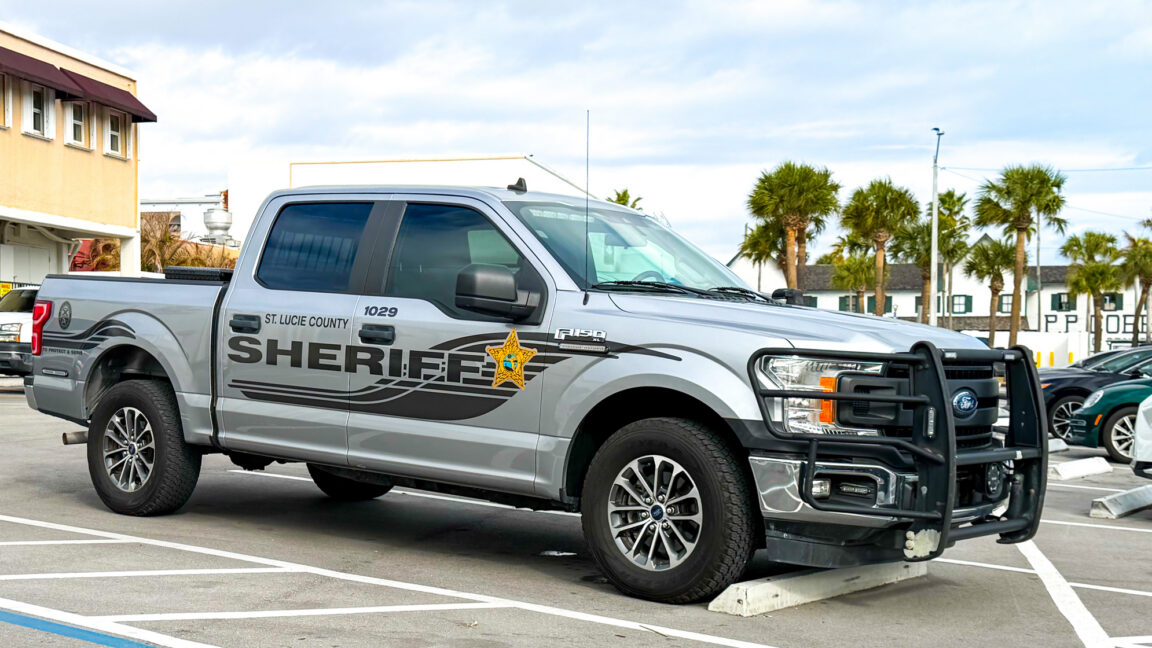
After the cameras were discovered, St. Lucie County Commissioner James Clasby told a local news outlet that there’s “potential for non-law enforcement to have cameras out there, and I’m not OK with that.” But the St. Lucie County Sheriff’s Office ended up claiming three of those cameras, then refused to explain why they never obtained the required permits. The office did not immediately respond to Ars’ request to clarify whether it ever accessed data recorded by the cameras.
In Florida, police have repeatedly been caught misusing Flock cameras, sometimes tracking single cars hundreds of times for personal reasons. One officer in Fort Pierce, Josepher Crutchfield, accessed a Flock database 382 times while stalking an ex-girlfriend, the Post noted, while another cop, Christopher Goodson, reportedly nearly doubled that number of searches while looking for his estranged wife. Two Pinellas County cops were arrested for invasive Flock tracking, with one, Travis Stanton, found searching a minor and the other, Karl Gwynne, stalking a woman he wanted to date. Across the US, the Post has found at least 50 cases of similar police misuse.
As the problem has escalated, Flock has claimed that it has added safeguards to prevent police misuse of its databases, but experts warn they’re ineffective. For St. Lucie County residents who frequently pass the unpermitted cameras, privacy concerns remain, as the county is giving owners 30 days to remove the cameras, seemingly with no questions asked. One camera already came down, a Post reporter confirmed, after St.
Lucie County’s interim administrator Mayte Santamaria explained that the county put up “bright red” notices. Cops remain uncertain if the cameras are actively collecting data, the Post reported. Until the deadline arrives—which for some cameras could be as late as October 20—county spokesperson Erick Gill told the Post that “staff plan to start placing plastic bags over the cameras.” That small step could help obscure footage to prevent invasive tracking, but one resident, Ty Grant, told the Post that concerns remain—even about the camera that was promptly removed. For people potentially recorded by the cameras, it’s imperative that cops try to figure out who owns them, Grant said. “That makes me feel very unsafe,” Grant said.
Todd Richter, who manages a fishing supply shop located across the street from a different camera, told the Post that he has no issue with Flock’s automated license plate readers, so long as it’s clear who’s accessing them. “I’m not happy about it unless I know who it is,” Richter said, “and I don’t.” Flock’s web of mystery cameras St. Lucie County officials appear determined to give the camera owners time to take them down before moving forward with investigations to unmask them. Gill told the Post that Flock will be contacted if the county’s 30-day deadline passes and cameras remain up. It’s possible that Flock dropped the ball on submitting permitting requests for either private or police use of the mysterious cameras.
That has happened for years, as a 2024 Forbes investigation reported, and the Post has noted other more recent examples. Last December, Flock installed two cameras in Cambridge, Massachusetts, without telling anyone, after local officials had banned the technology. And just last month, officials in Millcreek, Utah, were baffled to find an unknown camera installed on city property that neither the city nor police requested. About an hour from the most recent batch of sketchy cameras, officials in Palm Bay, Florida, suspended their camera system after finding that Flock continually installed cameras and then failed to request final inspections.
In that case, city officials ended up approving Flock’s permits. St. Lucie County commissioner Clasby told local media he thinks that “not knowing who” the cameras belong to is “another issue” beyond police misuse and data privacy that Flock must address. Already battling backlash—particularly in Florida, the only state to ban cameras on state roads—Flock appears motivated to connect with the county before the 30-day notice period expires.
A Flock spokesperson told the Post that the company already reached out to officials to discuss the unpermitted cameras. That spokesperson seemed to downplay the controversy, saying that permitting requirements “vary by jurisdiction and are not necessary in every location.” Ars reached Gill to confirm that St. Lucie County began talks with Flock this week. According to Gill, Flock is juggling many requests right now, since there are demands to remove cameras throughout the state.
As Flock assesses the cases, Gill said that county “staff is still working on the best possible way to make sure the cameras are removed by the permittee before the deadline. Once the deadline has passed, staff will be working to safely remove the cameras and/or add coverings, so that they are unable to capture video.” Ashley Belanger Senior Policy Reporter Ashley Belanger Senior Policy Reporter 49 Comments















Leave a Reply