

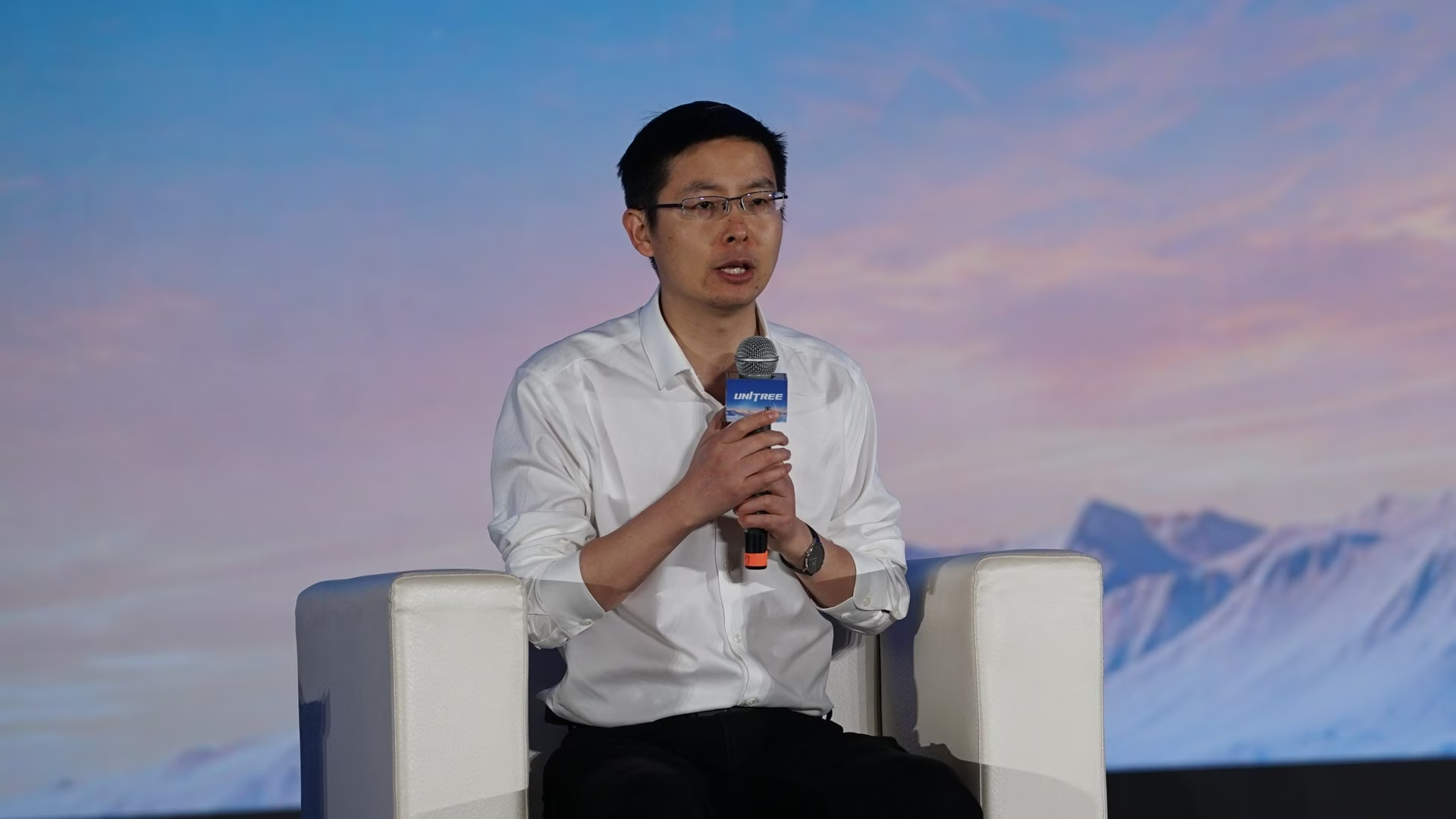
Rivian founder and chief executive RJ Scaringe at TechCrunch Disrupt in San Francisco, 13 October 2026 Credit: Kimberly White/Getty Images for TechCrunch / CC BY 4.0 via Flickr (cropped) Rivian has bought Third Dimension AI, a startup that turns real-world camera footage into 3D scenes. The carmaker will use them to train and test its driver assistance and self-driving software. Rivian announced the deal on Thursday and did not disclose the terms. Tolga Kart and Piotr Sokolski founded Third Dimension in 2024.
It has 15 staff, most of them in the UK, and raised $7M in seed funding, Kirsten Korosec reported for TechCrunch. Abstract Ventures, MVP, Soma Capital and Solari Capital backed it. The team joins Rivian’s autonomy and AI group, led by James Philbin. He told TechCrunch the deal lets Rivian expand its AI hub in London. “Simulation is central to how we train and validate our autonomous driving systems,” Philbin said in a statement.
Real scenes, with dials Third Dimension’s platform rebuilds real driving footage as 3D environments that engineers can control. A team can recreate a tricky moment, then change it. Rivian says its models can then train on complex conditions. They no longer have to wait for rare edge cases on the road. “For us, it’s about taking real scenarios, but making them simulatable,” Philbin told TechCrunch.
Engineers can move the cameras, shift other road users and change the lighting or weather, he said. Rivian looked at “a lot of different providers” before buying, according to Philbin. The raw material comes from Rivian’s own fleet. Tens of thousands of its pickups, SUVs and delivery vans share camera data when owners allow it.
Rivian receives more than 400,000 driving sequences a day, Philbin told TechCrunch. Kart said older simulators, built on video game engines, still look different from the real world. He told TechCrunch his team was happy to work on a single problem. “The team is excited to be able to focus on one problem,” Kart told TechCrunch. Rivian’s self-driving plans Rivian already sells software that lets drivers take their hands off the wheel on highways while they watch the road.
By the end of this year it plans to release point-to-point supervised driving software. Robotaxi versions of its R2 SUV are due on Uber’s app in 2028. Rivian has also faced a lawsuit alleging it promised self-driving features its first-generation vehicles can never deliver. Other companies are building similar tools.
Google DeepMind has plugged Street View into its Genie world model. Maxinsights raised money this week to film real-world training data for robots. Philbin said simulation matters most at the last step, when Rivian decides whether software can reach customers. “Is the system good to ship?” is the question, he told TechCrunch. Rivian founder and chief executive RJ Scaringe said last week that autonomy opens up new vehicle designs, which “can create dramatically different experiences”, Sean O’Kane reported for TechCrunch.
Get the TNW newsletter ✕ Close Get the TNW newsletter Get the most important tech news in your inbox each week.










Leave a Reply